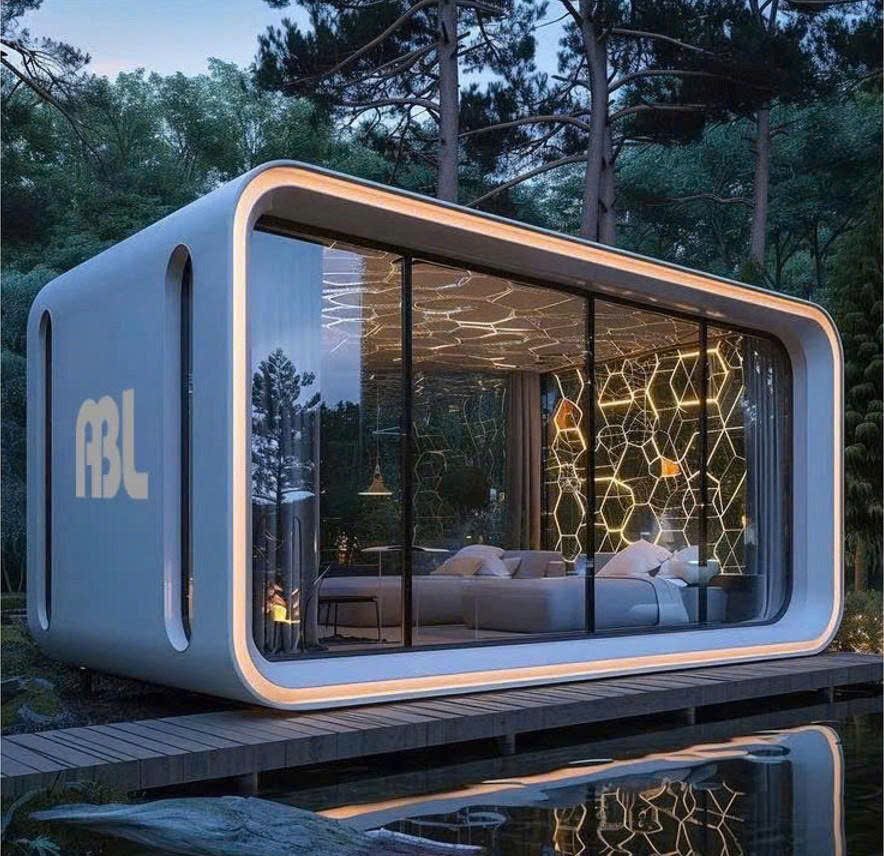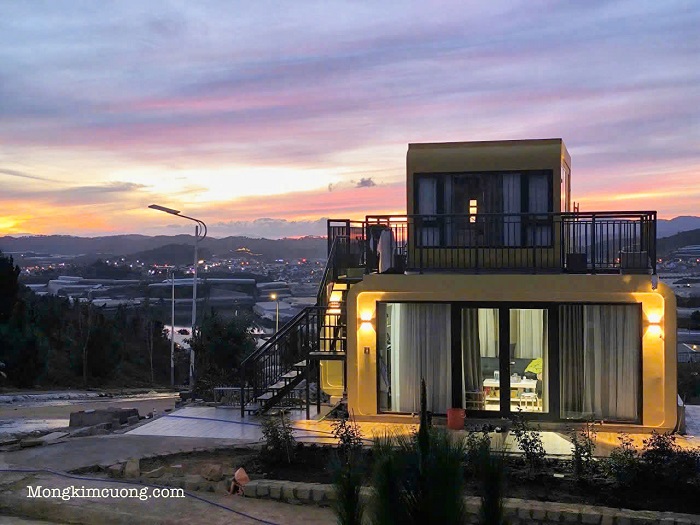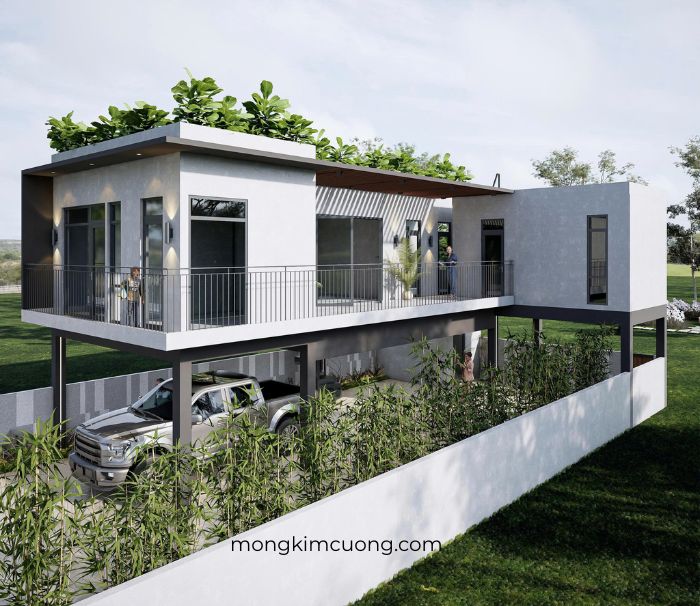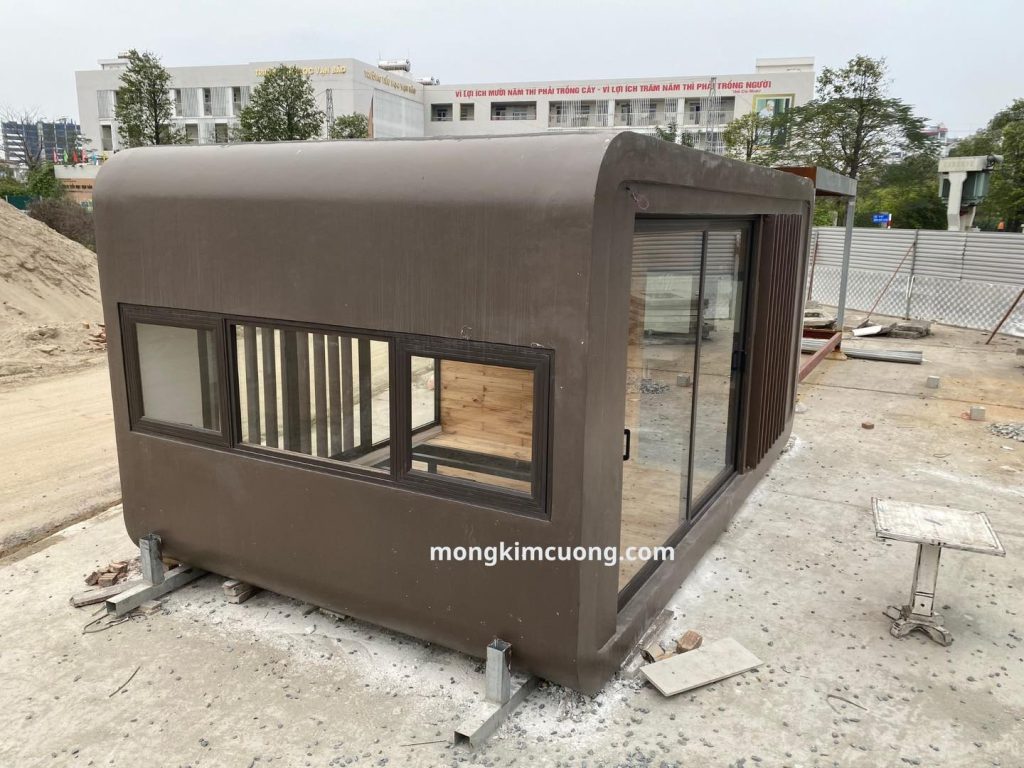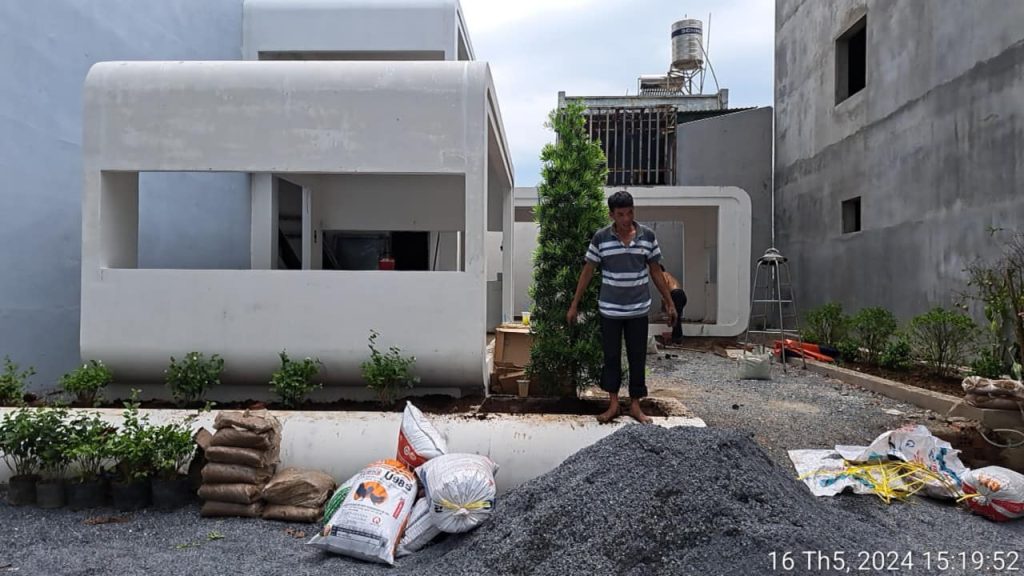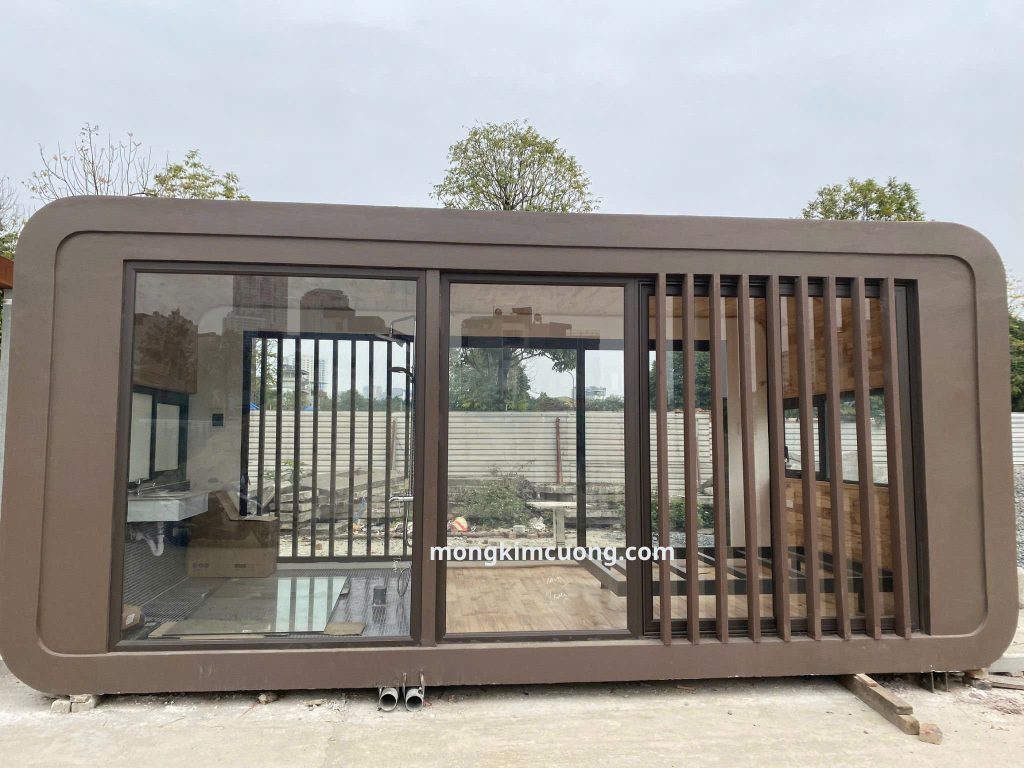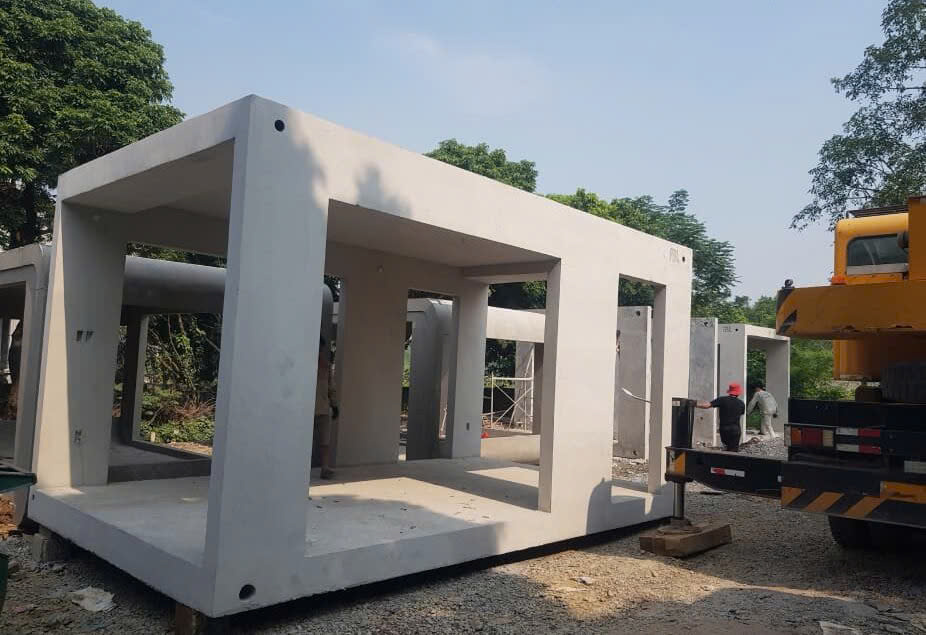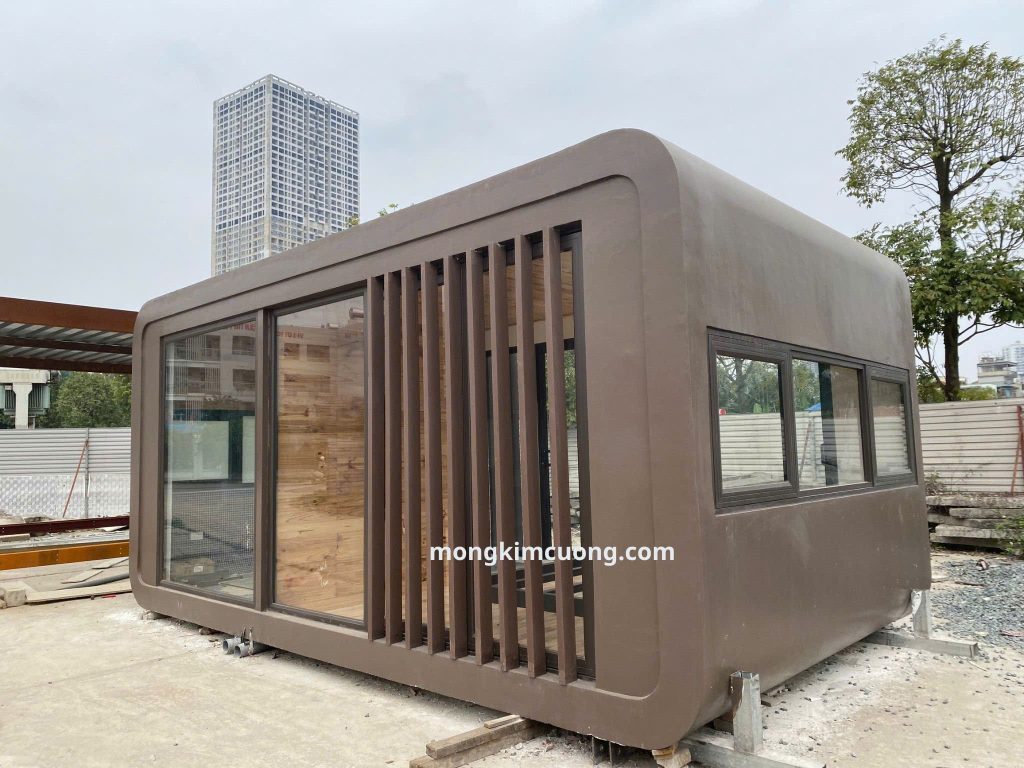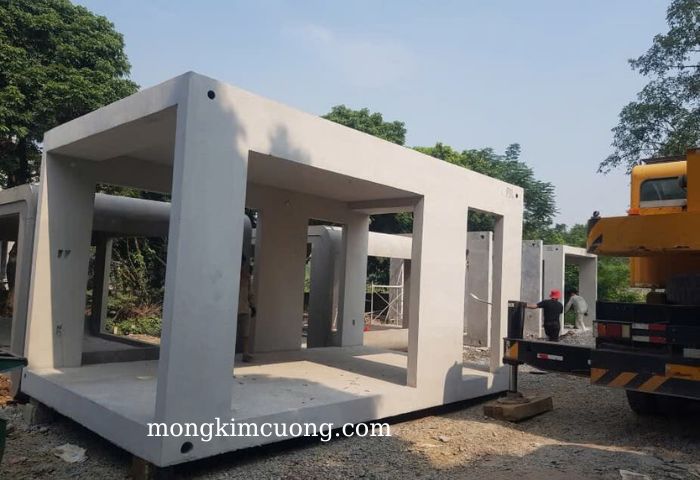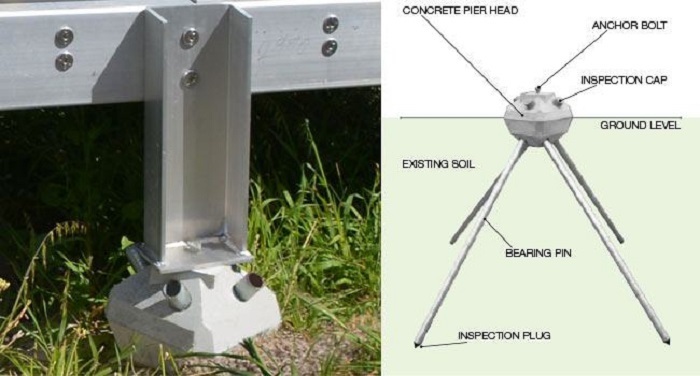
Amid rapid urbanization, the demand for construction solutions that optimize time, cost, and quality has become increasingly urgent. Concrete modular homes is steadily asserting its role as a pioneering solution. It is not only shortening construction timelines but also ensuring consistent quality, high flexibility, and long-term economic efficiency. ABL, a company specializing in the design and construction of monolithic precast modular concrete and assembled concrete systems, is actively contributing to the advancement of this modern construction trend. Join mongkimcuong.com in exploring a comprehensive overview of this emerging solution that is shaping the future of the construction industry.
What is concrete modular homes?
Simply put, concrete modular homes refers to buildings constructed from prefabricated concrete modules. These modules are manufactured in factories under strict quality control processes and then transported to the construction site for final assembly. As a result, the construction process is significantly shortened compared to traditional building methods.
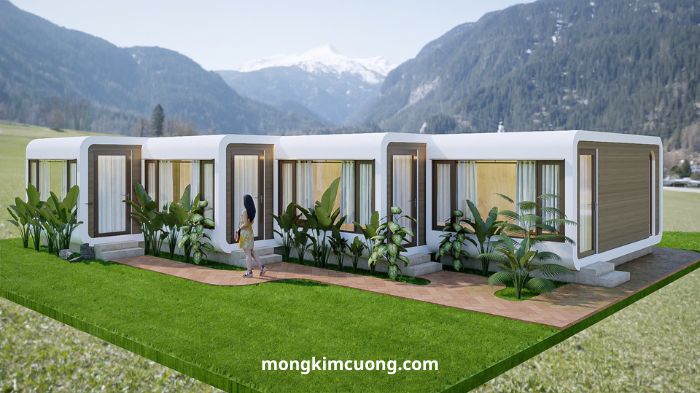
The key distinction of this model lies in its high level of standardization and flexible assembly capabilities. Projects can be expanded, downsized, or repurposed by adding or adjusting modules, without the need to demolish the entire structure.
Compared to conventional building approaches, concrete modular homes offers several clear advantages:
- Faster construction timelines
- Consistent and controllable quality
- Reduced dependency on weather conditions
- Easy expansion and functional adaptation
- Lower risk of cost overruns
To achieve optimal results, however, it is essential to choose experienced design and construction firms capable of delivering modules tailored to actual usage requirements.
Why is concrete modular homes gaining popularity?
Faster construction time
One of the most notable advantages of concrete modular homes is its rapid construction speed. While foundations and infrastructure are being prepared onsite, modules are simultaneously produced in factories. Once ready, assembly can take only a few days to several weeks, depending on project scale.
This makes the solution especially suitable for projects that require fast deployment, such as social housing, resorts, temporary offices, field hospitals, and schools.
Superior quality control
Factory-based production allows strict control over material quality, engineering precision, and workmanship. Concrete mixes follow standardized specifications, and reinforcement systems are installed exactly according to design, minimizing errors caused by human factors or weather conditions.
As a result, completed structures offer high consistency, long service life, and significantly better load-bearing capacity compared to conventional construction.
Durability and environmental adaptability
Concrete is well known for its durability, strength, fire resistance, and ability to withstand harsh weather conditions. With modern manufacturing technologies, concrete modules are further enhanced in terms of thermal insulation, soundproofing, and waterproofing.
Thanks to these properties, concrete modular homes is suitable for diverse climatic conditions, from coastal areas and hot regions to high humidity environments, ensuring long term performance and reliability.
Long term economic efficiency
At first glance, the initial investment cost of concrete modular homes may be comparable to or slightly higher than traditional construction. However, from a long term perspective, it proves to be a far more cost effective option.
Shorter construction timelines reduce labor and management expenses. Stable quality minimizes maintenance and repair costs. Additionally, the ability to reuse or relocate modules offers significant savings when project purposes change in the future.
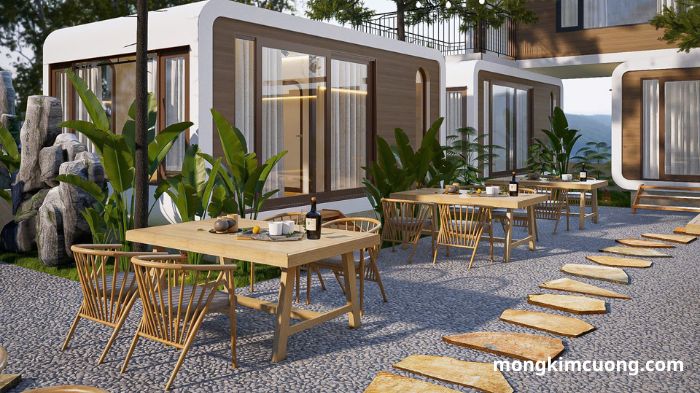
Design and functional flexibility
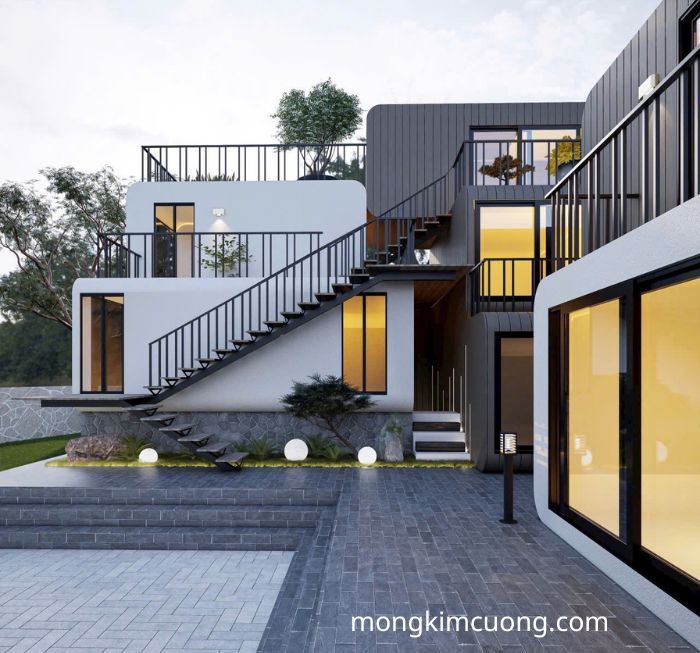
A common misconception is that modular buildings are rigid and lack aesthetic appeal. In reality, concrete modular homes allows remarkable flexibility in design, from massing and façades to interior layouts.
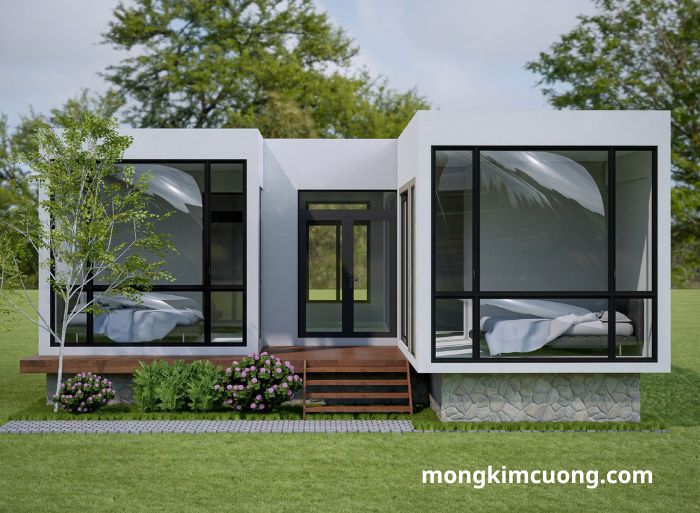
Architectural styles can range from modern and minimalist to industrial or even green architecture. Modules can be arranged horizontally, vertically, or stacked to create distinctive structures tailored to various functional needs.
Advantages over traditional construction methods
Thanks to their flexibility and efficiency, concrete modular homes are now being adopted across a wide spectrum of industries rather than limited to a single construction niche. In the residential sector, this solution is reshaping the development of townhouses, social housing projects, and resettlement communities by accelerating delivery timelines while maintaining consistent quality.
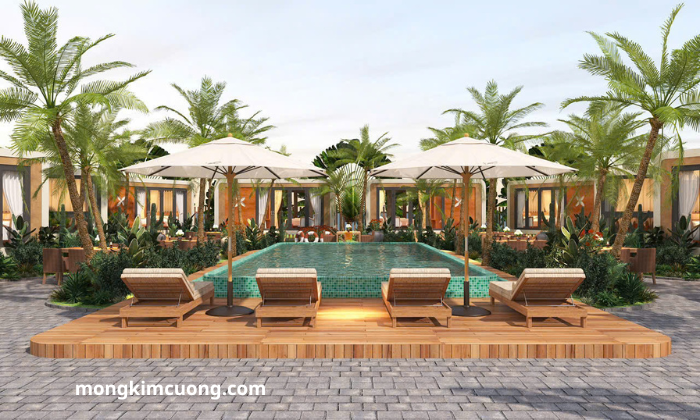
Beyond housing, modular concrete structures are increasingly favored for commercial and service purposes such as office buildings, showrooms, and retail spaces, where speed to market and cost control are critical. The tourism and hospitality industry has also embraced this model, using modular systems to develop homestays, resorts, and bungalow complexes that require both aesthetic appeal and rapid deployment.
In industrial and public sectors, concrete modular construction proves its value through factories, schools, hospitals, and medical stations, projects that demand durability, safety, and long-term operational reliability. The versatility of these applications clearly indicates that concrete modular homes are not a short-term alternative, but a forward-looking construction approach aligned with sustainable and scalable development goals.
The future of concrete modular homes in Vietnam
In Vietnam, rapid urbanization and strong housing demand are creating favorable conditions for the growth of concrete modular homes. Supported by technological advancements, new materials, and modern architectural thinking, this model is expected to become one of the key construction solutions in the near future.
Urban areas, resorts, and public infrastructure projects built with modular systems are likely to deliver optimal cost efficiency while maintaining high standards of quality and aesthetics.
ABL – Trusted concrete modular homes Partner
ABL – Van Phuc Co., Ltd. stands out as a reliable specialist in the field of precast concrete solutions, delivering end-to-end services from design to on-site assembly. Backed by a team of seasoned engineers, modern production facilities, and high-capacity manufacturing systems, ABL is capable of handling projects of varying scales and complexities.
Each project benefits from tailor-made structural components, developed to meet specific technical and functional requirements. The production process strictly follows quality and safety regulations, ensuring consistency and long-term performance.
With precise installation methods, optimized construction timelines, and cost-effective solutions, ABL has built a solid track record across residential and infrastructure developments, earning the trust of clients through proven workmanship and lasting structural integrity.
Conclusion
It is evident that concrete modular homes is not merely a construction trend, but a strategic solution for projects that prioritize speed, quality, and sustainability. If you are seeking a reliable partner to bring your modular concrete project to life, ABL stands out as a trusted choice.
ABL offers end-to-end construction services, ensuring consistent quality and clearly defined project timelines. To proactively plan your investment, you can review pricing details and contact directly via WhatsApp hotline: 0847.912.023 for in-depth consultation.
- Sở hữu không gian sống đẹp như mơ với module nhà bê tông đúc sẵn
- Các mẫu nhà bê tông đúc hiện đại: Giải pháp bền vững cho nhà ở tương lai
- Bí quyết xây dựng mẫu nhà vườn nông thôn đơn giản, hài hòa với thiên nhiên
- Tối ưu không gian với thiết kế nhà phố sân vườn độc đáo
- ỨNG DỤNG MÓNG KIM CƯƠNG VÀO CÁC CÔNG TRÌNH CHỊU TẢI TRỌNG NHỎ