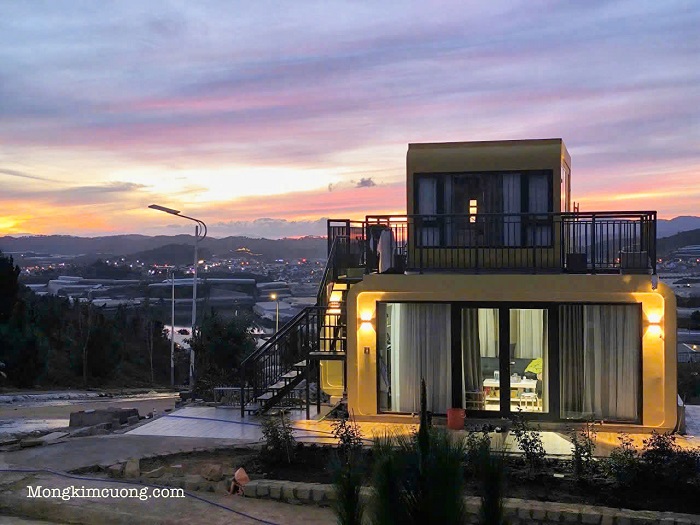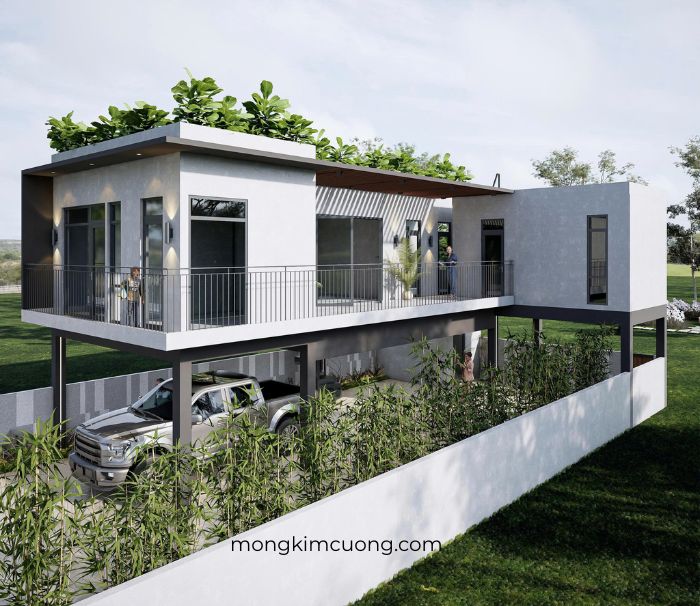
Precast concrete modules are becoming one of the most compelling construction solutions today thanks to fast installation, outstanding durability, and the ability to standardize the quality of an entire project. This rising trend is widely adopted by pioneering companies like ABL, a specialist in monolithic and modular precast concrete homes. Their approach brings a modern, consistent, and high-performance alternative to traditional construction. To understand why modular concrete homes are gaining such strong traction in modern building practices, explore more with mongkimcuong.com.
What Are Precast Concrete Modules?
Definition of precast concrete modules
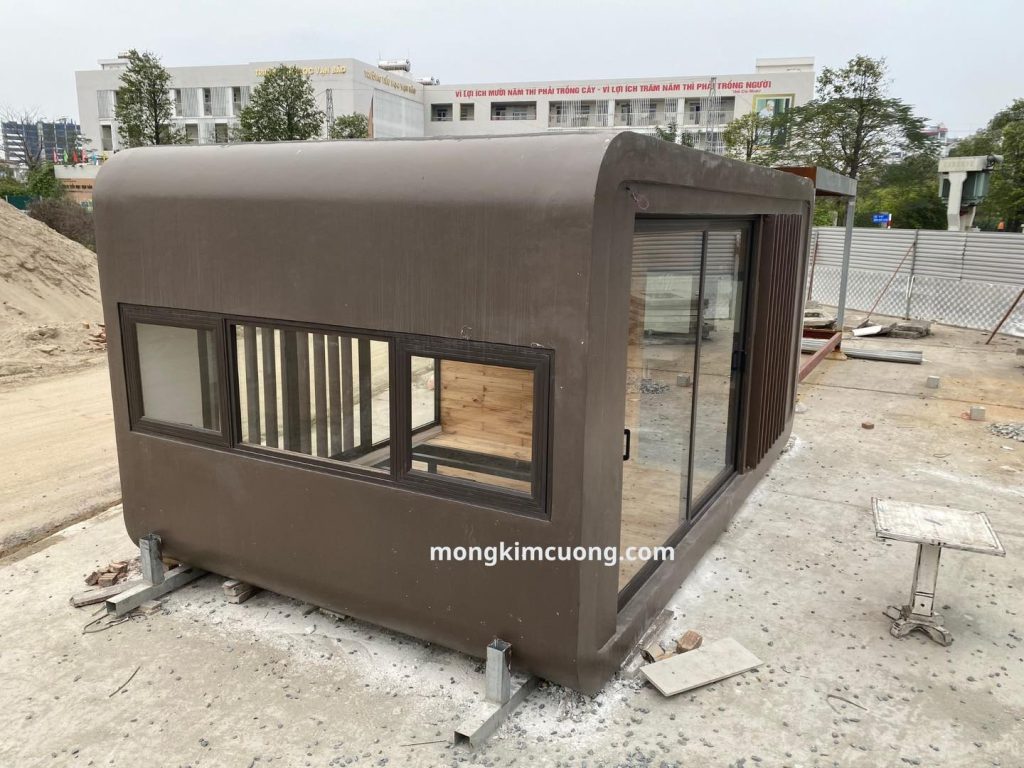
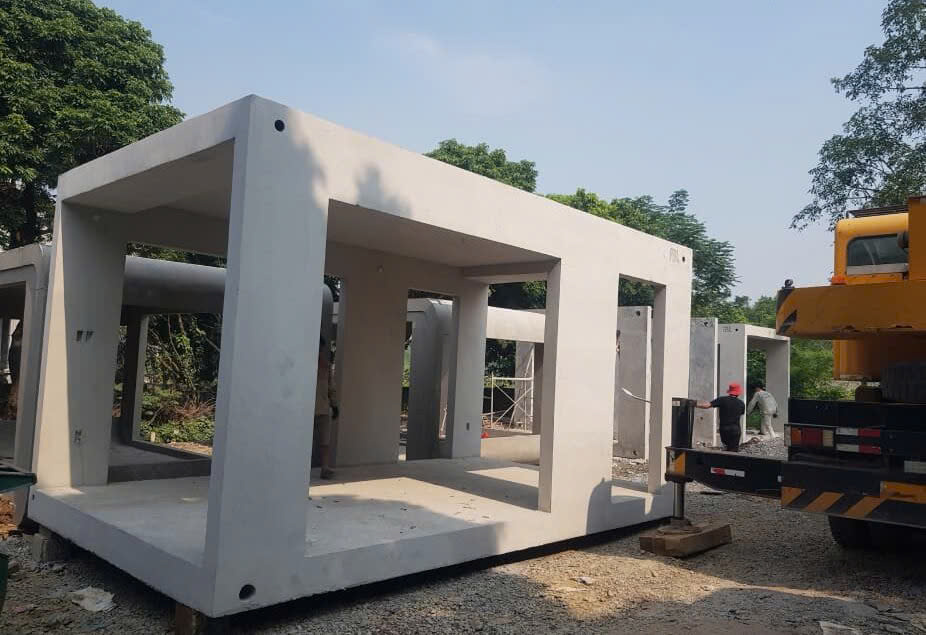
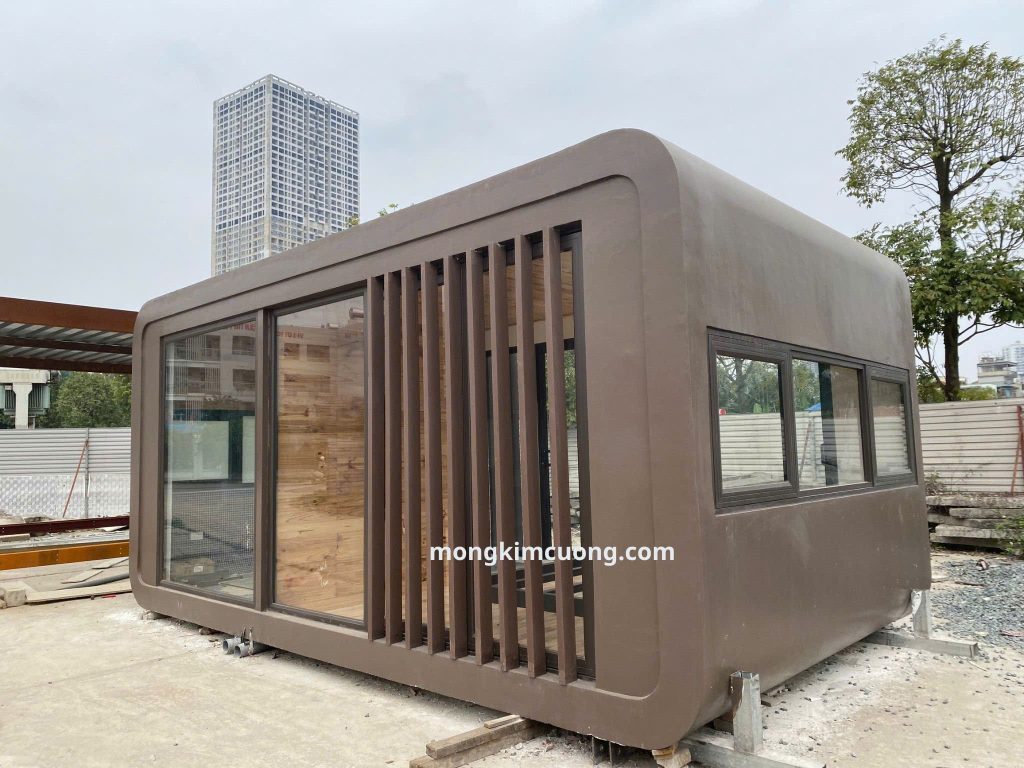
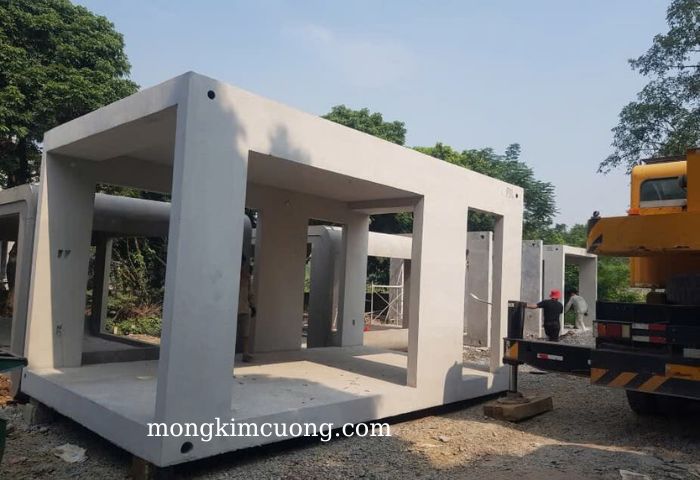
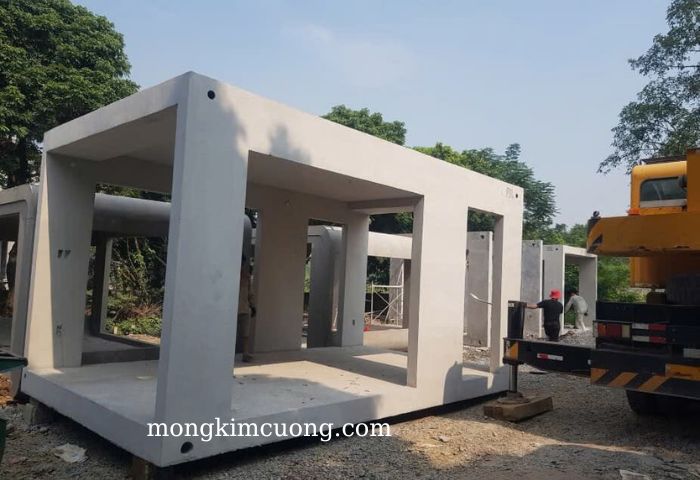
Precast concrete modules are factory-made structural units cast in controlled conditions and transported to the construction site for assembly. Each module acts like a mini-room or a structural component of a building, fully integrated with walls, ceilings, floors, and even pre-installed mechanical and electrical systems. Produced under strict industrial standards, precast concrete modules achieve consistent quality, high precision, and superior performance compared to conventional on-site concrete.
Basic structure of a precast module
Depending on its function, each module can vary in design and internal composition. However, most units include:
- Reinforced concrete frame: Cast as a monolithic unit to ensure outstanding strength, stability, and long-term durability. This solid frame is the core of the module, helping it withstand heavy loads and harsh environmental conditions.
- Walls and ceilings: Precisely connected to the frame to create a seamless, airtight structure. These components enhance sound insulation, improve energy efficiency, and provide a smooth, uniform finish that minimizes the need for additional on-site work.
- Precast flooring: Engineered with optimal thickness to support daily use as well as heavy equipment, depending on the project. The flooring is produced with tight quality control to prevent cracking, moisture infiltration, and uneven settlement.
- Integrated MEP systems: Electrical wiring, plumbing lines, and ventilation ducts can be pre-installed during manufacturing. This reduces on-site labor, minimizes construction errors, and shortens the overall project schedule.
Thanks to this optimized configuration, precast concrete modules provide exceptional structural performance while allowing flexible customization for residential homes, homestays, hospitality projects, or commercial developments. This balance of strength and adaptability is what makes modular concrete construction increasingly popular in modern building solutions.
Production Process and Technical Standards
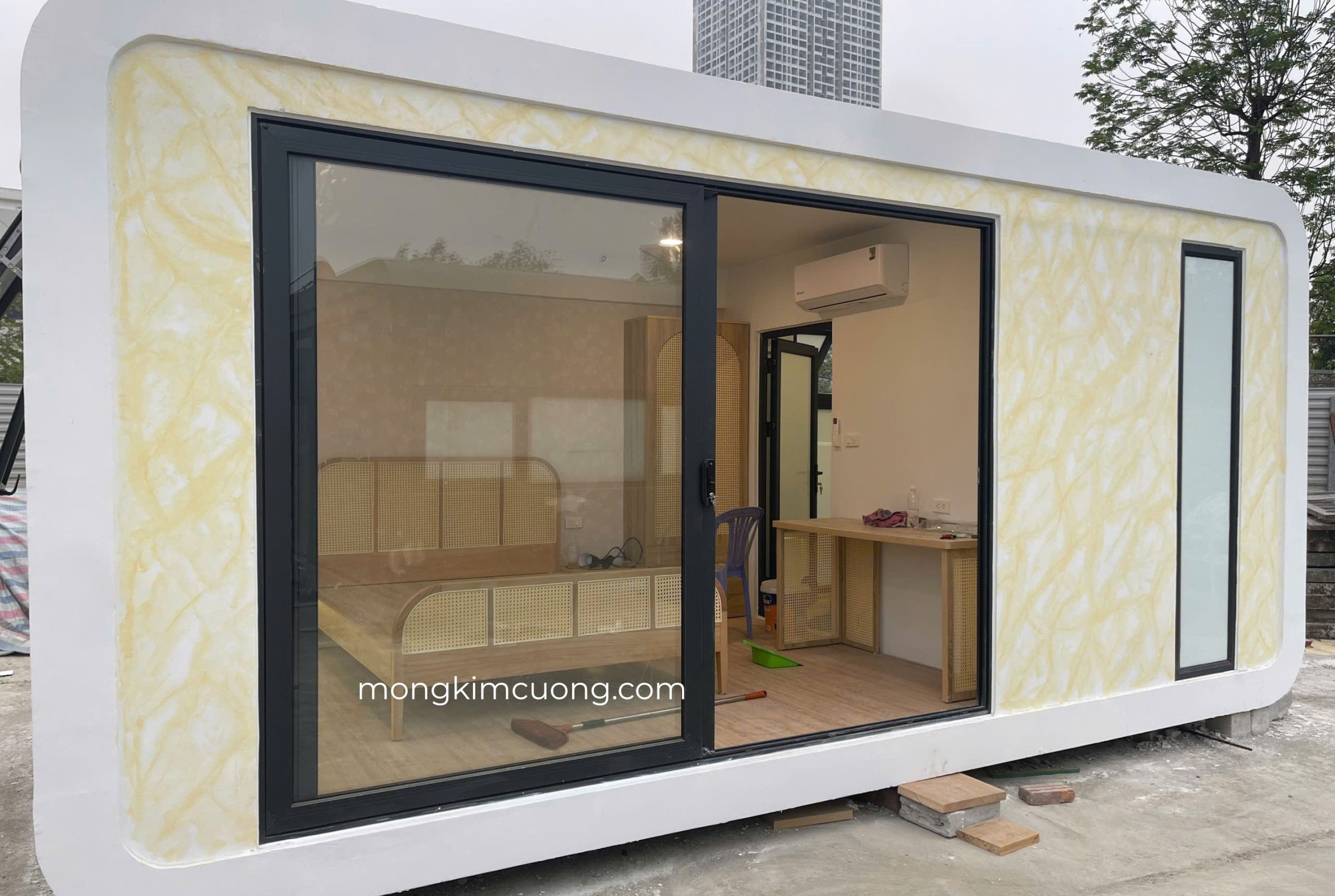
Precast concrete modules are manufactured on advanced production lines, ensuring precision and consistency. The process includes:
- Detailed module design based on architectural and structural drawings.
- Reinforcement installation, integrated conduits, and precisely placed formwork.
- Concrete casting using specialized machinery to ensure uniform density and strong bonding.
- Curing under controlled conditions to achieve high compressive strength.
- Quality testing and certification before transportation.
Because all stages take place in a controlled factory environment, precast concrete modules achieve near-perfect accuracy, minimizing the typical errors and risks associated with manual on-site construction.
Key Advantages of Precast Concrete Modules
1. High durability and superior load-bearing capacity
Precast concrete is renowned for its long-term strength. The monolithic casting method enhances structural integrity, providing greater resistance to environmental impacts such as storms, humidity, and vibrations-especially important in countries with harsh climates.
2. Fast construction and reduced project timelines
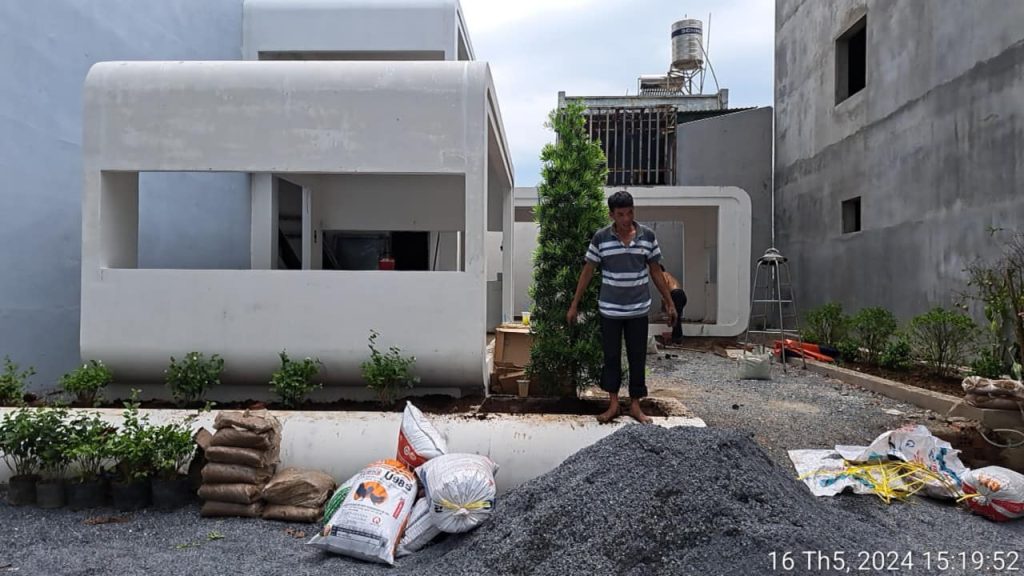
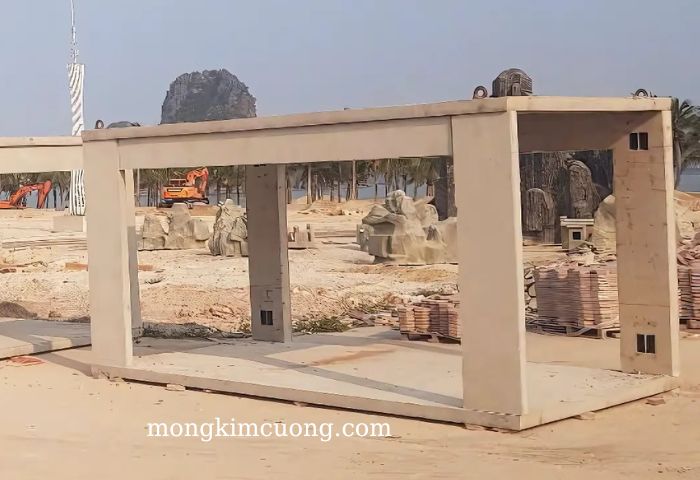
Since key components are completed at the factory, on-site assembly is remarkably fast. With cranes and standardized connections, a complete home can be installed in days or weeks instead of months. This is one of the strongest advantages of precast concrete modules.
3. Lower labor and material costs
The factory-controlled process reduces material waste and minimizes the need for large on-site construction teams. Faster assembly also cuts project management and supervisory costs. For large-scale or time-sensitive developments, this translates into substantial savings.
4. Reduced construction risks
Modules help eliminate common on-site risks such as weather delays, worker shortages, safety incidents, and irregular workmanship. Standardized production ensures consistent quality across every unit.
5. Excellent thermal and acoustic performance
Thanks to their dense and solid structure, precast concrete modules offer superior sound insulation and heat resistance. Homes built with these modules stay cooler, quieter, and more comfortable-especially valuable in tropical climates or busy urban environments.
Comparison: Precast Concrete Modules vs. Traditional Construction
Load-bearing and longevity
Both methods can achieve high durability, but precast concrete modules often outperform traditional construction due to factory precision. Monolithic structures minimize cracking, subsidence, and long-term deterioration.
Construction speed
Traditional building is often slow and heavily dependent on weather conditions, labor availability, and on-site coordination. In contrast, precast modules offer construction speeds up to 3–5 times faster thanks to factory production, standardized components, và controlled quality. Because most work is completed off-site, projects experience minimal delays from environmental factors.
Cost efficiency
While initial investment may be similar, precast concrete modules reduce labor costs, shorten timelines, and limit material waste-making them highly cost-effective for homestays, resorts, farmstays, and compact residential projects.
Flexibility for expansion or renovation
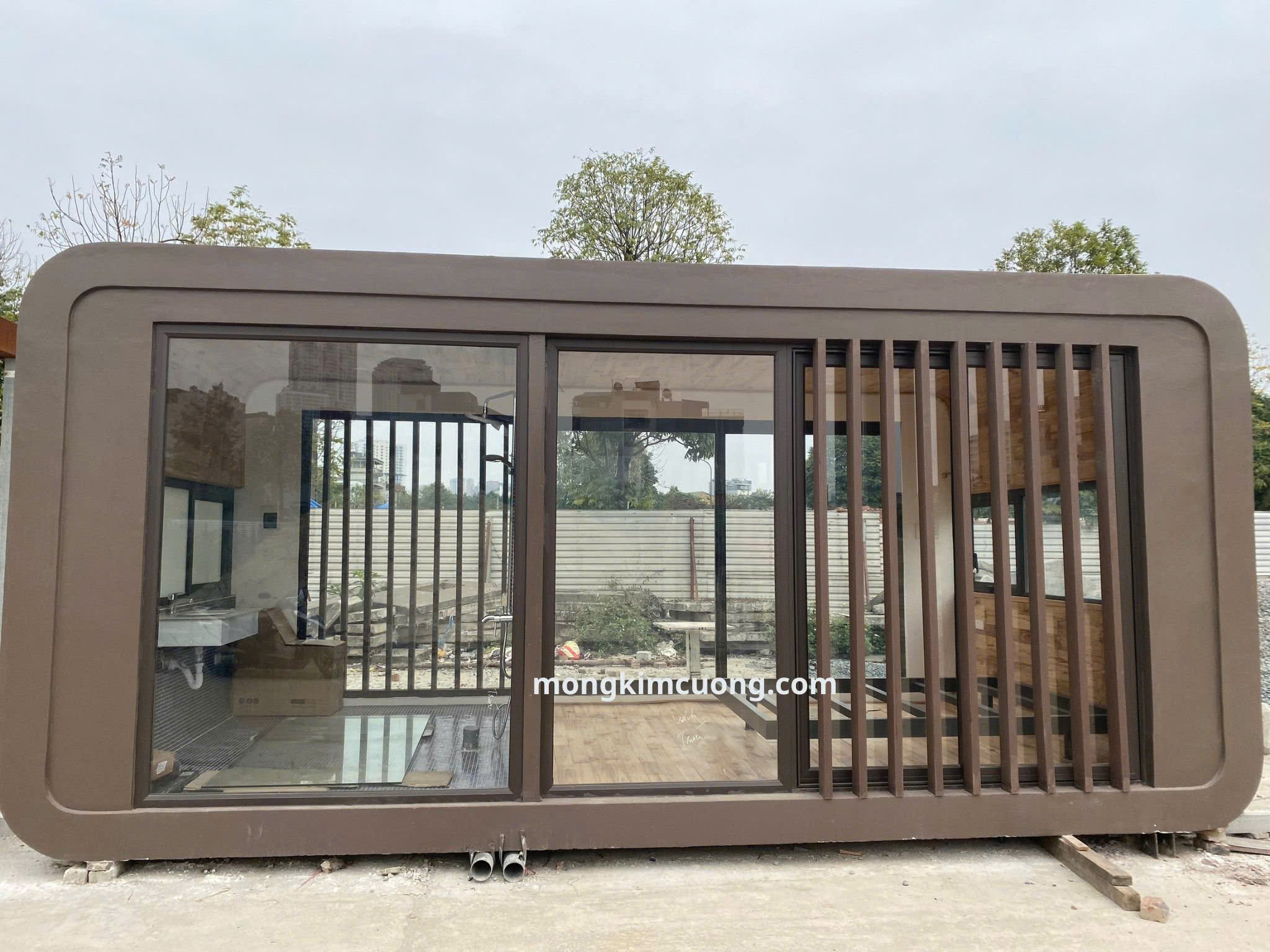
Traditional buildings are often easier to modify, but modern modular systems have significantly narrowed this gap. Today’s precast modules support expansion through additional units, allowing homeowners or developers to grow their space without major disruptions. Their key advantages include quick assembly, easy relocation, and simplified upgrades, making long-term adjustments more convenient and cost-effective.
Should You Build a Home With Precast Concrete Modules?
This solution is ideal for homeowners looking for a durable, fast-to-build, and cost-efficient house. It is also an excellent option for homestay owners, resorts, and farmstay projects that need to complete construction in peak business seasons. For large-scale developments such as factories, office buildings, or site headquarters, using precast modules ensures precise scheduling and stable quality.
Precast concrete modules are especially suitable for construction in extreme weather regions, challenging terrains, or areas where labor shortages frequently delay projects. If you aim for standardized quality, high structural performance, and rapid project completion, this method is worth serious consideration.
Conclusion
Precast concrete modules are reshaping the future of construction by offering unmatched durability, rapid installation, consistent quality, and optimal cost efficiency. With clear advantages for residential, commercial, and hospitality developments, this technology stands out as a smart investment for modern building needs.
For those seeking a reliable partner in modular and monolithic precast concrete housing, ABL is a leading brand known for standardized processes and strong technical capability. To explore pricing, options, and customized modular solutions, you can review the ABL modular house pricing guide.
- Tổng hợp 10+ mẫu thiết kế phòng trọ đẹp và cách bố trí tiện nghi
- Homstay hiện đại tại Nha Trang – nhà module bê tông đúc sẵn của anh Tiến
- Review kích thước nhà bê tông đúc sẵn – thiết kế ở được mấy người?
- Mẫu nhà vườn 2 tầng đẹp ở nông thôn thiết kế độc đáo, tiết kiệm chi phí
- So sánh nhà khung thép và nhà bê tông? Nên sở hữu loại nhà nào?